
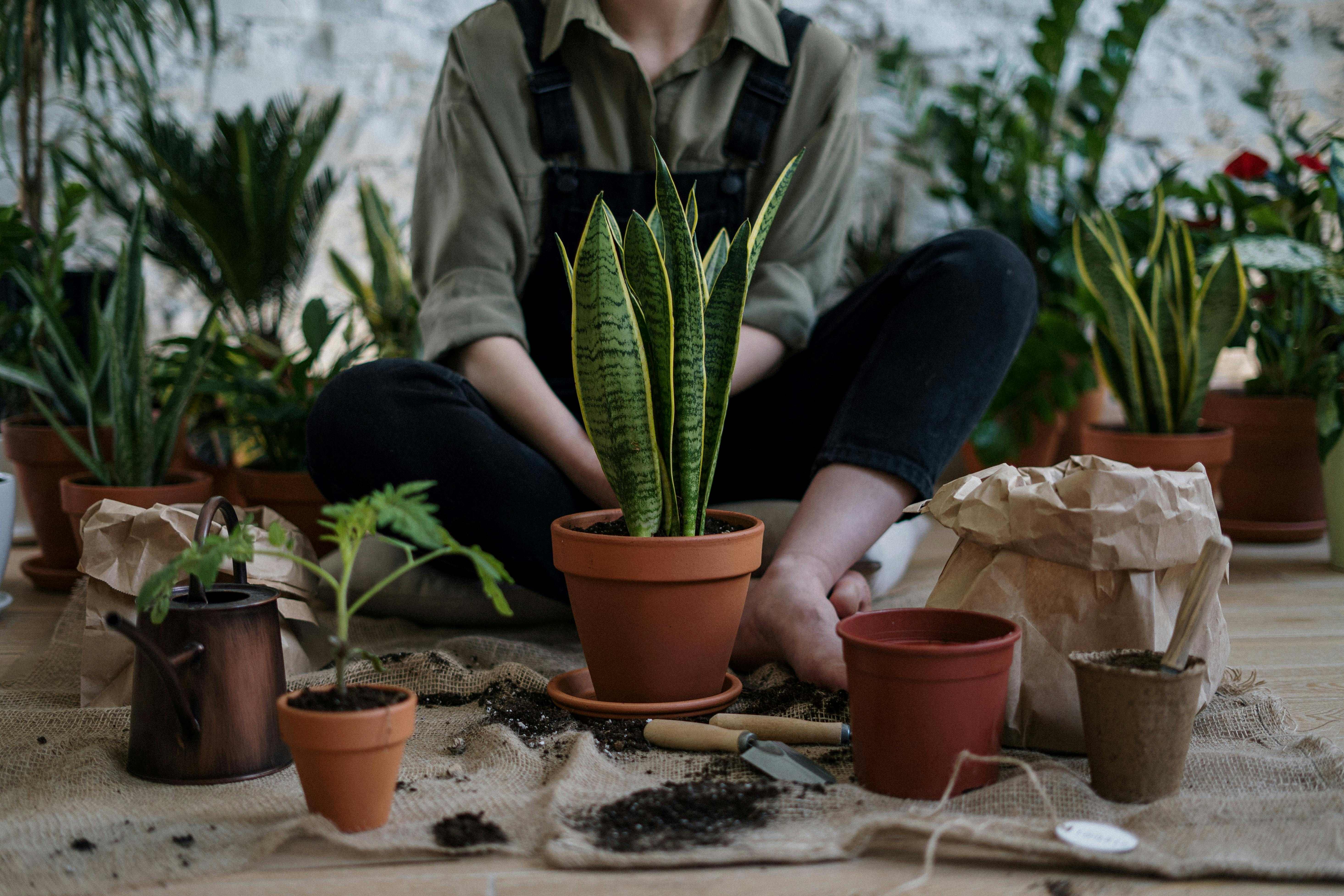
Photo by cottonbro studio on Pexels.com
Can art, nature, and movement be just as powerful as medicine? In this episode, I’m joined by solutions-focused journalist Julia Hotz, author of The Connection Cure. We explore how social prescribing—using nonmedical resources like music, service, and belonging—can improve mental and physical health. Julia shares the science behind this approach, real-life success stories, and how it’s spreading worldwide. Tune in to discover how you can bring more joy, meaning, and connection into your life and your community!
Guest
My guest today is the author of a new book, released in June, called The Connection Cure: The Prescriptive Power of Movement, Nature, Art, Service, and Belonging. Julia Hotz is a solutions-focused journalist whose stories have appeared in media including The New York Times, The Boston Globe, TIME, and Scientific American. She currently works at the Solutions Journalism Network, where she helps other journalists rigorously report on what’s working to solve today’s biggest problems. Julia is a world traveler, graduate of the University of Cambridge in England, and a former Fulbright Scholar in Greece.

Notes
We discuss:
- Julia’s book tells the story of social prescribing, including the science supporting it, real life examples, and how its practice is spreading throughout the globe.
- Jules provides a refresher explanation of what social prescribing is. (Listeners who are regular listeners of this show will be familiar with the term “social prescribing” or “social prescription.” See the links below to previous episodes related to this topic, with guests Tasha Golden; Chris Appleton, CEO of Art Pharmacy; and Renee Fleming.)
- Instead of replacing other kinds of medicine, social prescriptions complement them and can help treat the real symptoms of real diagnoses like type 2 diabetes, depression, stress, insomnia, ADHD, addiction, anxiety, chronic pain, and dementia.
- What are “social determinants of health” and how important are they to our health and well-being?
- The historical foundations of social prescribing.
- Why art (with a focus on music) is so valuable as a social prescription, and examples of how and why it’s being prescribed.
- Is there a difference on the health impact of creating art/music vs. consuming it?
- What is bibliotherapy and how can it help with mental wellness?
- Julia’s recommendations for musicians/organizations who would like to get involved in this movement of social Rx.
- Recommendations for listeners who would like to see social prescribing offered by their practitioners. How can we be the change we want to see, give this movement momentum, get involved, and move the needle?
- Some of Mindy’s favorite quotes from the book:
- “Movement, nature, art, service, and belonging were once staples of our daily lives. But since our survival no longer requires these five ingredients, we no longer structure our lives around them… But we know it’s not our screens, our salaries, and our stuff that we’ll be thinking about on our deathbeds. We know that what really matters in the grand scheme of life are the connections in our environments: the joy and meaning we experience, and the relationships we build. The things that make us light up when we talk about them. The things that give us reasons to wake up in the morning. The things that matter to us.” (Julia Hotz, The Connection Cure)
- “The end point with all of this is not social prescribing. The end point is developing a health-creating community.” (Michael Dixon in The Connection Cure, by Julia Hotz)
- “Social prescribing isn’t, hasn’t been, and never will be a cure-all. We still need other kinds of prescriptions. But here’s what I do understand. As we wait on health care to put social prescribing on its menu of options, each of us can work in our own lives to make its sneakier goal come true: creating our own health, in our own communities. Becoming our own health professionals—experts in and practitioners of the connections that uniquely bring us joy, meaning, and relationships.” (Julia Hotz, The Connection Cure)
Connect/Other Resources
- Julia’s book: The Connection Cure: The Prescriptive Power of Movement, Nature, Art, Service, and Belonging (also available on Kindle and Audible
- Julia on social media: @hotzthoughts
- Julia’s website
Other episodes we mentioned or that you may enjoy:
- Ep. 172: Arts on Prescription: Thrive with the latest wellness toolkit and unveil a healthier path for you and your community; with Tasha Golden, PhD
- Ep. 176: Prescribing Creativity – How Art Pharmacy’s innovation harnesses the power of art for better clinical outcome; with Chris Appleton
- Ep. 180: Harnessing the Arts for Health and Wellness – Renee Fleming’s comprehensive interdisciplinary anthology
- View all episodes related to Science & Health
In-Episode Promo
JAMBAR: If you’re a regular listener of this show, you know that my favorite energy bar is JAMBAR. One thing I love about JAMBAR is that the four original flavors are separate and distinct — unlike some bars, whose different flavors seem to all taste the same, there is no flavor fatigue with JAMBAR. (This was especially helpful when we moved recently and were eating them even more than usual!) I love all the flavors, so it took a while for me to settle on my favorite; just as I decided Musical Mango was my favorite, JAMBAR came out with a fifth flavor, Tropical Trio. This bar is like taking your taste buds on an exotic island escape, and it’s definitely right up there with Musical Mango as my favorite. These Certified Organic whole food bars are non-GMO and gluten-free; and include vegan, dairy-free options. Support your active life – and your tastebuds – with JAMBARs. Available at Amazon, select retailers, and jambar.com.
Coda
Jules shares the meaning and significance of her college a cappella choirs.
Closing Words
Thank you so much to Jules for joining us today and for writing this fantastic book. Be sure to get your own copy; there are links in the show notes to the book, ways to connect with Julia, and screenshots of us on our call – we had so much fun chatting about this topic!


You’ll also find a transcript of this episode and links to related episodes you may enjoy, including the three we mentioned in our conversation, and a link to all episodes in the Science & Health category. You may already know that all Enhance Life with Music episodes can be found listed by category so you can quickly find topics most related to your interests. In addition to Science & Health, the other 3 categories are :
Just go to the Archives tab of my website.
I want give a quick shout-out to Dr. Sheetal Ajmani. Dr. Ajmani is a physician and fellow podcaster who recently had me as a return guest on her show, Essential Self-Care, where we discussed how I utilized music as a tool for well-being during a challenging season in my life.
You can always connect with me on email (mindy@mpetersonmusic.com), Facebook, Instagram, Twitter, or LinkedIn.
Thank you so much for joining me today. Until next time, may your life be enhanced with music.
If you enjoyed this episode, please:
- Follow us in your podcast app: This is FREE and conveniently delivers each new episode to your device when it releases, so you don’t have to search for it.
- Share us with others: If you know of someone who would enjoy this episode, please share it with them! It’s easy to do right in your podcast listening app. Just tap the Share feature for options to share by text, email, or social media (or share this page).
- Rate & review our show: This fuels our creative energy, and also helps others find the show!
Note: We occasionally use affiliate links for products and services we whole-heartedly believe in. We may receive a small commission, at no extra cost to you, for purchases made through these links. This helps support the free content we provide.