
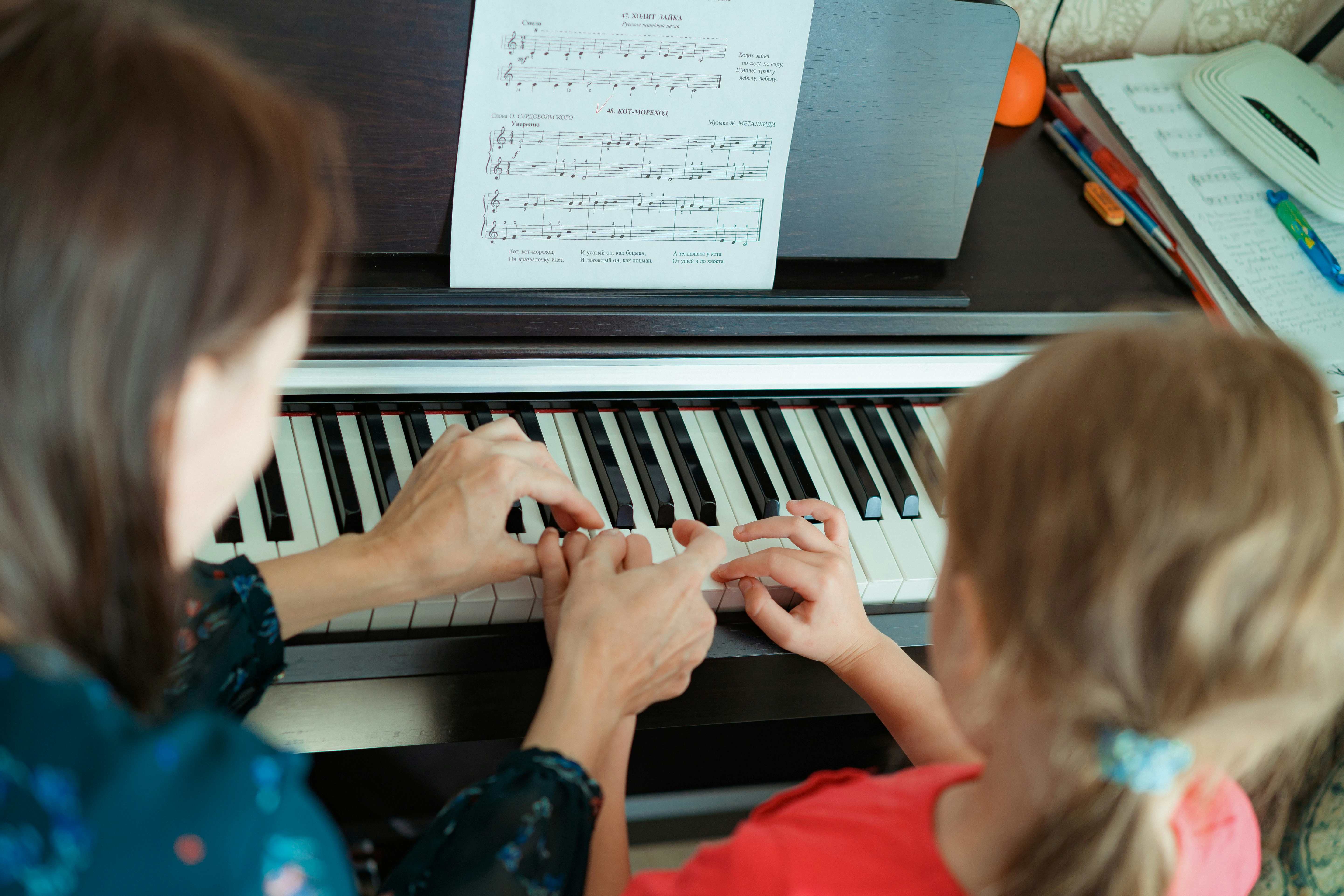
The holiday sparkle has faded, motivation is dipping, and music practice might be starting to feel like a chore. But what if this is actually the most important growth season of the year? In this Microhance episode, I’m sharing five simple, powerful ways to reset mid-year and help your child get the most out of music lessons – with habits that build not just musical skill, but confidence, resilience, and lifelong joy.
I’m Mindy Peterson, host of Enhance Life with Music podcast, where we explore the ways music transforms everyday life. And this is Microhance, a micro-dose of musical enhancement.
The holidays are behind us. Valentine’s Day is behind us. At this point in the school year, the rest of the winter can feel long for kiddos in music lessons (and their parents!). The novelty of a fresh new school year has worn off. The excitement of playing festive Christmas music is behind us. And the routine – including homework, household chores, and yes, music practice – can start to feel like drudgery.
But here’s the good news: this is exactly the time when growth happens. There’s no better moment than right now to establish – or re-establish – the habits that will help students get the most out of their music lessons, whether these are private lessons, group lessons, or their school band or orchestra classes. So today, I’m sharing a “Top Five” list of practical ways to maximize your and your child’s investment in music.
1. Bring the tools.
This sounds simple, but it’s foundational (and as a music teacher, I know how often it doesn’t happen): bring all materials to every lesson. Music books. Theory books. Assignment notebook. Scale sheets. Exam materials. Whatever tools are part of your lessons. Lessons are like a team sport. When a student shows up prepared, every minute can be used productively. When materials are missing, momentum stalls. Success loves preparation.
2. Follow the map.
This is what I call the practice strategy of following the assignment notes given by the teacher at each lesson. If a student simply plays a piece from beginning to end, repeating the same mistakes, progress will be painfully slow. But if they follow the specific steps assigned – whether related to dynamics, articulation, rhythm, fingering – they know exactly what success looks like. Intentional practice beats mindless repetition every time.
If your music teacher doesn’t list specific assignments and goals for the week’s practice time, ask them to! Clear targets create faster growth.
3. Parents: Monitor and support.
You don’t need to be a musician to be an effective music parent! Periodically checking your child’s assignment notebook will give you a feel for what progress is being made (or not made). You may see positive comments and new assignments from week to week; or you may see repeated assignments week after week. If you don’t know what an assignment means, ask your child to explain it to you. Kids love to turn the tables and pass on knowledge to their parents – and they’ll probably have a renewed motivation to demonstrate success on that goal!
My students were required to record practice time on a practice chart, because what gets measured gets managed. Practice charts build awareness and ownership. Glancing at your child’s chart can give you an idea of how actual minutes practiced compare to the weekly goal.
For younger students especially, this monitoring can make a world of difference. Not as pressure – but as partnership. It communicates: “This matters. I see your effort.”
And most importantly – praise that effort. Notice increased confidence when they perform for Grandma. A more musical touch. Greater frustration tolerance. These life skills transfer far beyond the musical instrument – into academics, sports, relationships. Music lessons are about far more than notes on a page.
What gets measured gets managed. And what gets encouraged gets repeated.
4. Keep the parent-teacher communication flowing.
Different parents have different expectations for their child’s musical experience. Some want rigorous challenge. Others want music to be primarily a joyful creative outlet. If you would like your child pushed and challenged more – or less – than they currently are, let your teacher know. If there is certain music your child would love to play, or if they’re interested in composing their own song, let your teacher know. If there are extenuating circumstances at home, let the teacher know. Open communication makes lessons collaborative and helps ensure that your child will enjoy this life-enhancing gift of music for a lifetime.
5. Practice.
Research continues to show that time spent in focused, deliberate practice is the crucial indicator in proficiency and progress. Not “natural talent.” Not being “musical.” Consistent, intentional effort.
As author Sharlene Habermeyer writes in Good Music, Brighter Children:
“Music provides a meaningful, lifelong learning experience. It gives our children a critically important outlet for their emotions and feelings; it helps to develop their sense of creativity and wonderment, and gives them sensitivity to the world and people around them. Because music develops the whole child, it will have a profound influence on whatever he decides to do in life… it can bring joy, beauty, and happiness into their personal lives.”
That’s what we’re really working toward. Not just passing pieces. Not just earning trophies. But developing the whole child.
So if this stretch of the school year feels long, take heart. This is the season where habits deepen and the magic happens (even when it doesn’t feel like it in the moment). It’s where resilience builds. Where quiet, steady practice turns into visible confidence. And these skills transfer far beyond the practice room.
Sometimes, all it takes is recommitting to the basics – bringing your materials, following the notes, communicating clearly, and yes… Practicing.
I’m Mindy Peterson, and I hope this inspires you to enhance your life with music.
In-Episode Promo
LIVING WELL WITH DR. MICHELLE: I’m always looking for the best ways to support holistic health and wellbeing, through music… and beyond. So when I learned about all-natural products created by a holistic, biologic dentist, I had to try them out! Did you know that chemicals in commercial mouthwash and toothpaste can be absorbed through your oral tissues even if you don’t swallow the product? One of my favorite Living Well with Dr. Michelle products is the Remineralizing Mouthwash. It’s alcohol-free, so it won’t dry out your mouth, and instead of harsh chemicals, it uses colloidal silver to help balance oral bacteria. It’s infused with peppermint oil to freshen your breath naturally, and it contains hydroxyapatite – the very mineral your enamel is made of – to support strong teeth and reduce sensitivity. I also love their Sensitive Remineralizing Tooth Powder, but I couldn’t resist trying their brand-new Toothpaste. It’s not officially labeled for sensitivity, but it’s made with micro-hydroxyapatite which many people, myself included, find reduces sensitivity. For natural, effective oral care products – and 10% off – go to livingwellwithdrmichelle.com and use Coupon Code: musicenhances10. (Link is in the show notes; or buy on Amazon.)
If you enjoyed this episode, please:
- Follow us in your podcast app: This is FREE and conveniently delivers each new episode to your device when it releases, so you don’t have to search for it.
- Share us with others: If you know of someone who would enjoy this episode, please share it with them! It’s easy to do right in your podcast listening app. Just tap the Share feature for options to share by text, email, or social media (or share this page).
- Rate & review our show: This fuels our creative energy, and also helps others find the show!
View all Microhance episodes
Note: We occasionally use affiliate links for products and services we whole-heartedly believe in. We may receive a small commission, at no extra cost to you, for purchases made through these links. This helps support the free content we provide.