
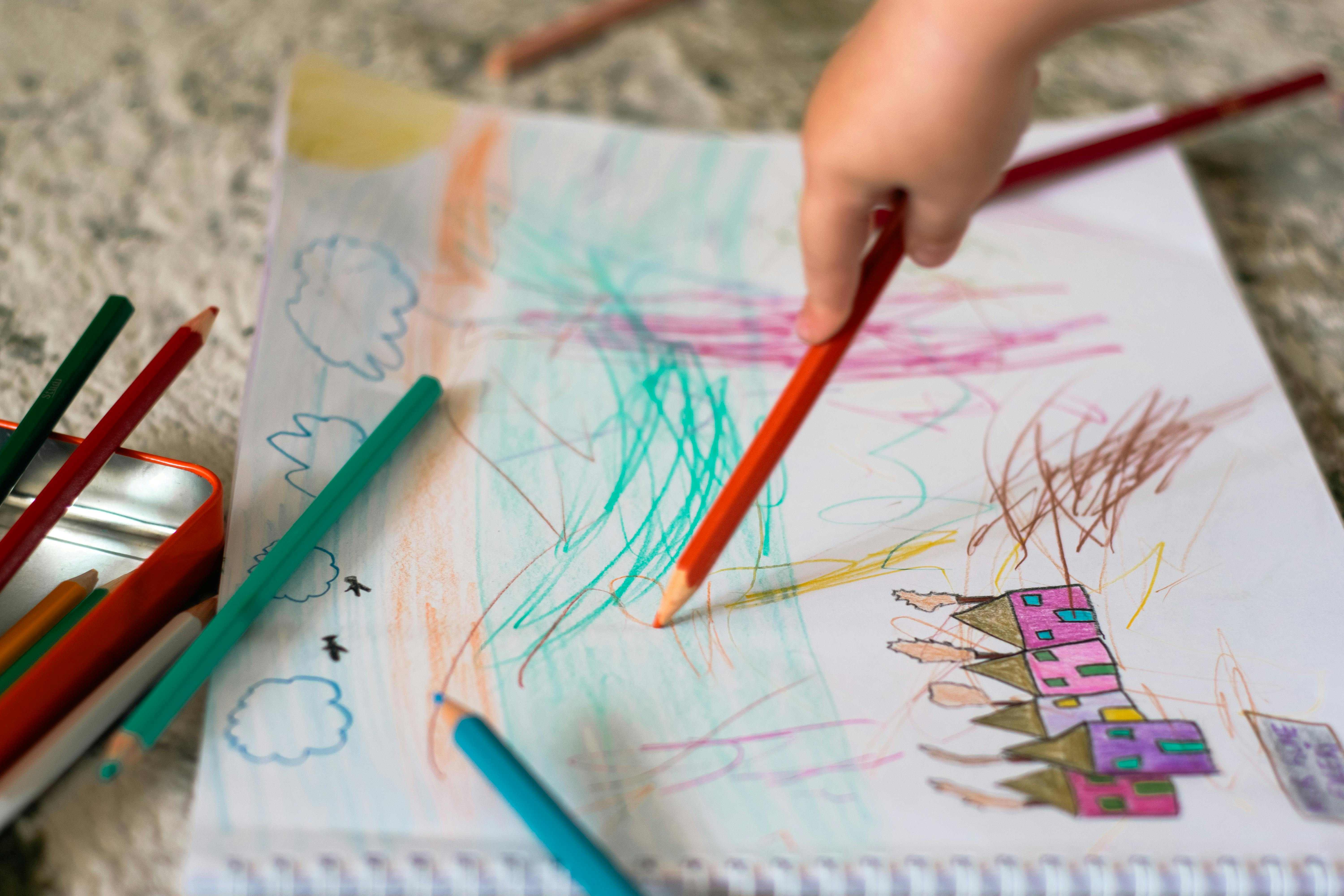
Photo by Çiğdem Bilgin on Pexels
For generations, music was something families simply DID together. Today, many parents feel unqualified to make music with their own children, leaving it to teachers and experts. But what if that shift is costing our kids one of the most powerful tools for developing creativity, empathy, resilience, language, and connection? Acclaimed educator and author Joan Koenig explains why music belongs in every home, why you don’t need any musical training to nurture a child’s musicality, and how simple, joyful music-making can help children become happier, healthier, and more whole. This conversation (and book) will change your view of music engagement with the littles in your life!
Guest
My guest today joins me from Paris. Joan Koenig is an American-born musician, educator, in-demand speaker, and author of the book, The Musical Child (designated by the Washington Post as a must-read for parents). Joan is a Juilliard graduate whose research and innovative work have earned her and her Paris music schools a solid reputation among music cognition experts. Her integrative approach to early music experience has shifted conventional thinking about literacy, confidence, empathy, and collaboration in young children.

Notes
We discuss:
- Why many parents mistakenly believe they aren’t “musical enough” to make music with their children – and why that belief can limit a child’s development.
- How music naturally supports language, creativity, empathy, resilience, confidence, and social-emotional growth during the early years.
- What decades of neuroscience research reveal about the powerful role of music in brain development.
- The concept of “musicking” and why music is best learned through participation and shared experiences rather than instruction alone.
- What “musical scribbling” is, and why free exploration, improvisation, and experimentation are essential parts of musical development.
- The critical early childhood window when children are especially receptive to developing both musicality and language.
- Simple signs that a child is already engaging musically – even if parents don’t recognize it as music-making.
- Practical ways busy families can incorporate spontaneous music-making into everyday routines without special training, equipment, or lessons.
- Why parents should share music they genuinely love with their children rather than relying exclusively on children’s music.
- How music can serve as a powerful tool for strengthening parent-child connection in an increasingly technology-driven world.
- Why Joan describes music as a developmental “superfood” that helps children become happier, healthier, more creative, and more resilient.
- One of Mindy’s favorite quotes from Joan’s book: “To successfully prepare our children for life in the twenty-first century, we will need to nurture qualities such as curiosity, imagination, intuition, empathy, creative entrepreneurship, and most of all resilience. Musical practice in early childhood develops all of the above and more. Research has shown that musical practice in early childhood is beneficial not only for mental acuity but for social and emotional development as well. Music is not just a hobby, a pleasant pastime; it is an integral part of what makes us happy, healthy, and whole. Indeed, if we want to do one thing to help our children develop into emotionally, socially, intellectually, and creatively competent human beings, we should start the musical conversation – the earlier the better.”

Connect/Other Resources
- Website: www.joankoenig.com
- L’Ecole Koenig Preschool & Music School: www.ecolekoenig.com
- Book: The Musical Child: Using the Power of Music to Raise Children Who Are Happy, Healthy, and Whole

- Learn more about Joan’s holistic music training for children by emailing info@ecolekoenig.com or joan@ecolekoenig.com.
Other episodes we mentioned or that you may enjoy:
- Ep. 137: What makes a lullaby a lullaby, and what difference does it make? with Laurel Trainor, PhD
- Ep. 60: How does music training affect children’s Social-Emotional Learning, and how is SEL affected by a pandemic? With Dr. Assal Habibi
- Ep. 221: The Little-Known Neurological Link Between Music and Reading Skills; with Anita Collins, PhD
- Ep. 183: Amplified Potential – Revaluing Music in Education and Society; with Frank Fitzpatrick
- Ep. 230: What Makes Humans Irreplaceable? The Power of Creativity in the AI Era; with Susan Riley
- View all episodes related to Education & Community
In-Episode Promo
MUD/WTR: I am NOT a morning person(!) but one thing that helps me ease into my day is kicking things off with the right morning beverage – one that I look forward to, enjoy drinking, and boosts mental clarity and energy without sugar, jitters, or roller coasters. MUD/WTR checks all the boxes for me. It’s blended with super foods and spices that also support gut health and immune function. My current obsessions are their Original Chai and Coffee blends, and they also have matcha, cocoa, turmeric, and more. Fuel your mind and body – and get 20% off your first order – at https://mudwtr.com/ENHANCELIFE.
Coda
Joan explains how to create a song with and for your child to be used at key moments. This works for non musicians too!

Closing Words
I hope this conversation leaves you feeling inspired to integrate musicking into your everyday interactions with the littles in your life – whether you have any musical training or not! I know I will never see early childhood musical engagement the same after speaking with Joan and reading her book. Get your hands on The Musical Child for more insights and practical suggestions for utilizing the power of music as an ally in parenting, education, and development of the whole child.
And if you know of someone who would enjoy this episode, please share it with them! It’s one of the best ways to help us reach new listeners and spread the transforming power of music in everyday life.
You can always connect with me on email (mindy@mpetersonmusic.com), Facebook, Instagram, X, or LinkedIn; and by signing up for my occasional e-Newsletter.
Thank you so much for joining me today. Until next time, may your life be enhanced with music.
If you enjoyed this episode, please:
- Follow us in your podcast app: This is FREE and conveniently delivers each new episode to your device when it releases, so you don’t have to search for it.
- Share us with others: If you know of someone who would enjoy this episode, please share it with them! It’s easy to do right in your podcast listening app. Just tap the Share feature for options to share by text, email, or social media (or share this page).
- Rate & review our show: This fuels our creative energy, and also helps others find the show!
Note: We occasionally use affiliate links for products and services we whole-heartedly believe in. We may receive a small commission, at no extra cost to you, for purchases made through these links. This helps support the free content we provide.